Restore old photos you thought were gone
Repair scratches, tears and fading, then bring back natural colour. See a free preview before you pay a single credit.
The preview is free and always will be — low resolution, watermarked, just enough to see it worked.
Preview mode — the restoration pipeline connects when billing goes live.
One pass. Scratches, tears, fading — gone.
A restoration model built for damaged photographs, not a generic filter. Upload yours in the studio above and compare the preview against the original.
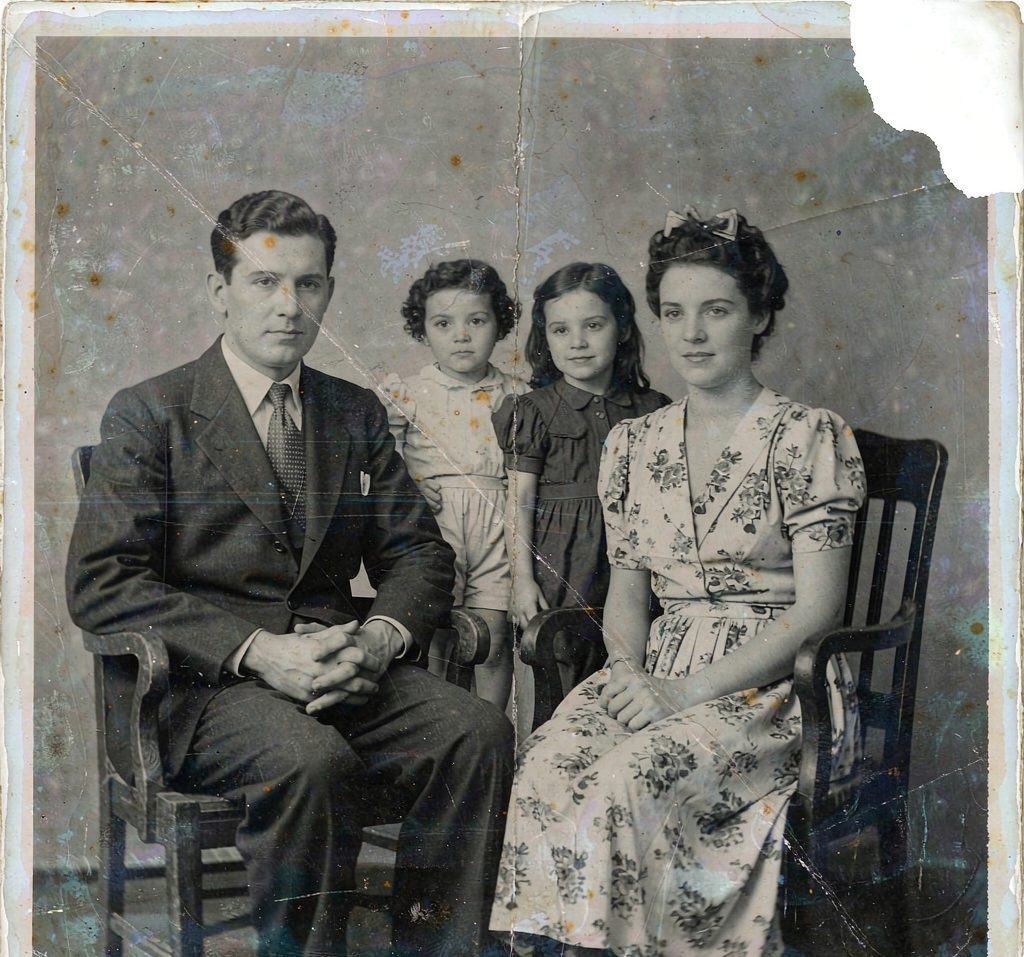
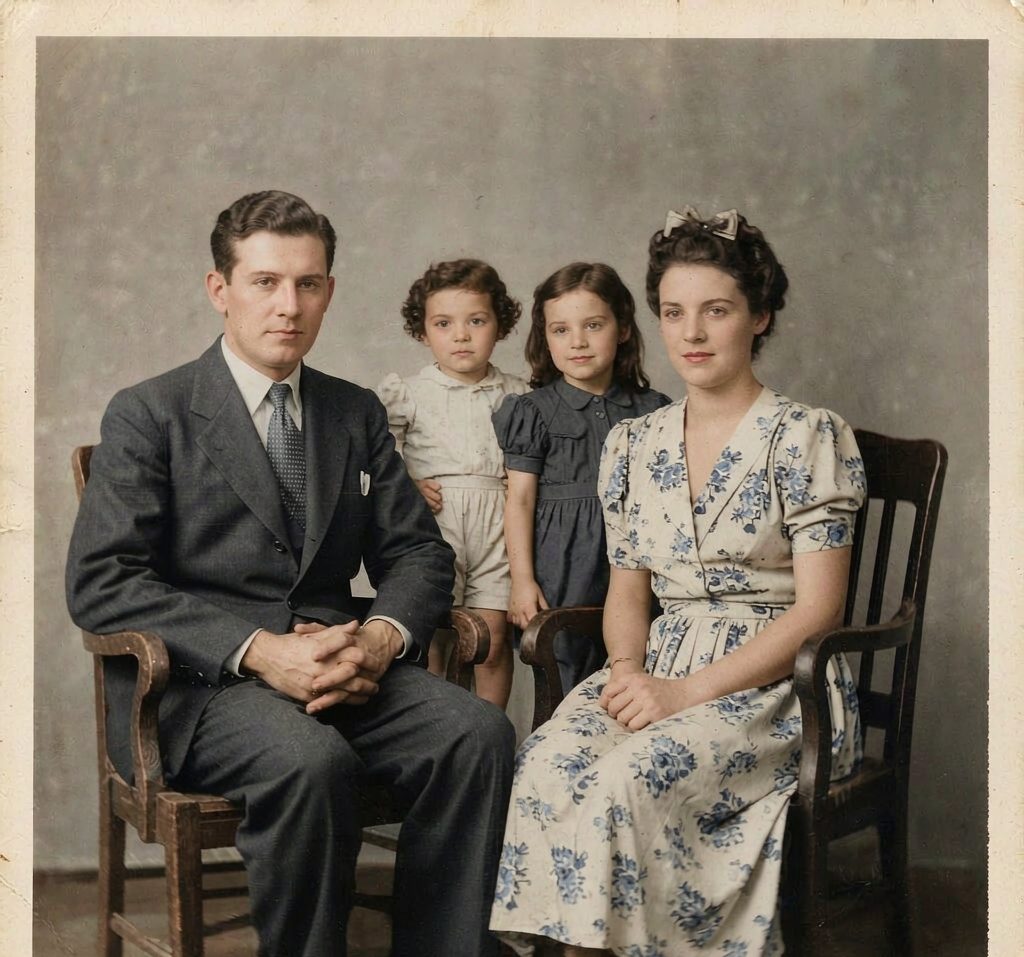
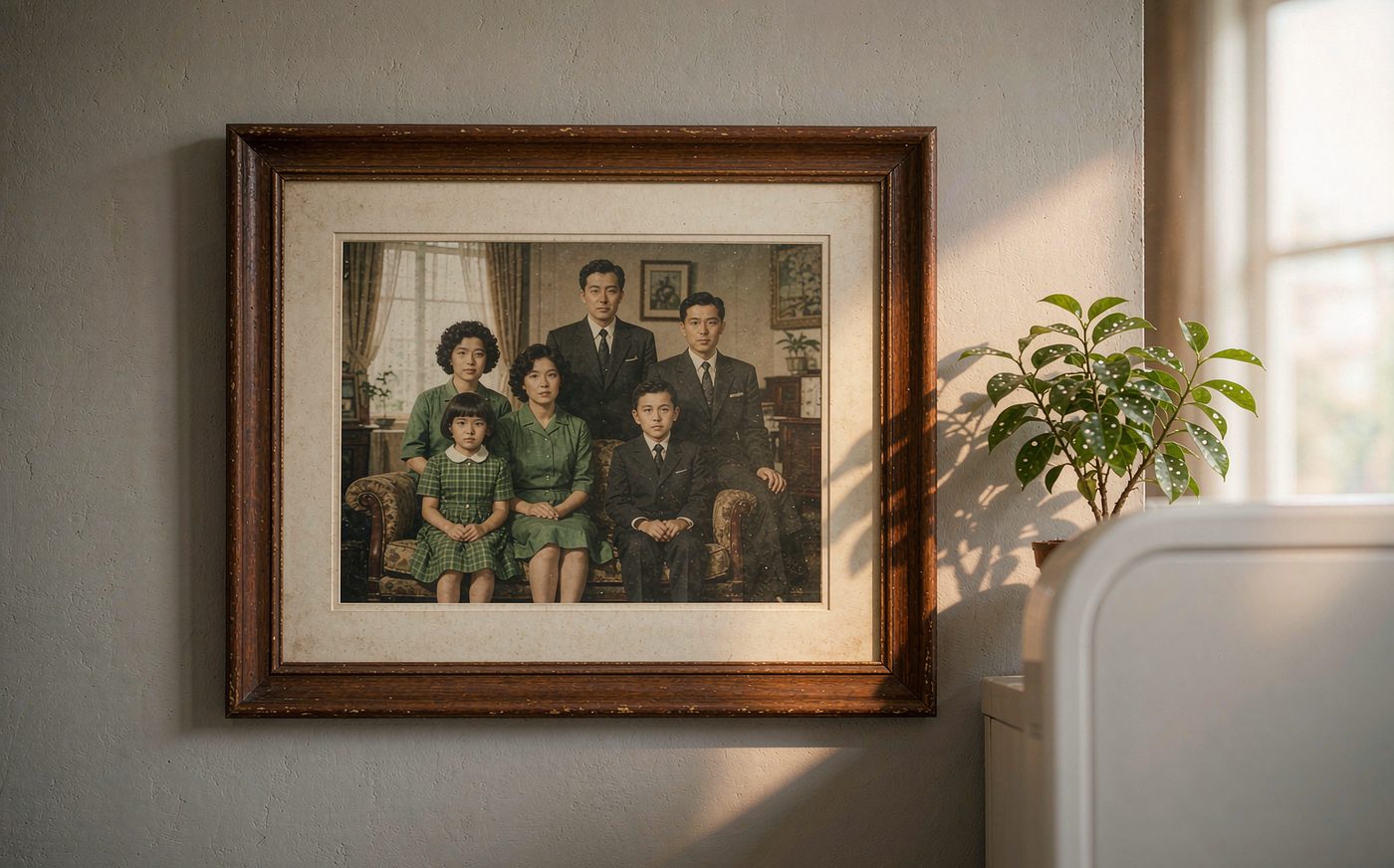
1940s family portrait · Deep scratches, a fold and foxing — colour brought back
A phone photo of the print works. Flat, evenly lit, no flash glare is ideal.
A low-resolution preview shows you the repaired face in seconds. No card, no signup.
Full resolution, no watermark, ready to print or share with family.
Every kind of damage, handled
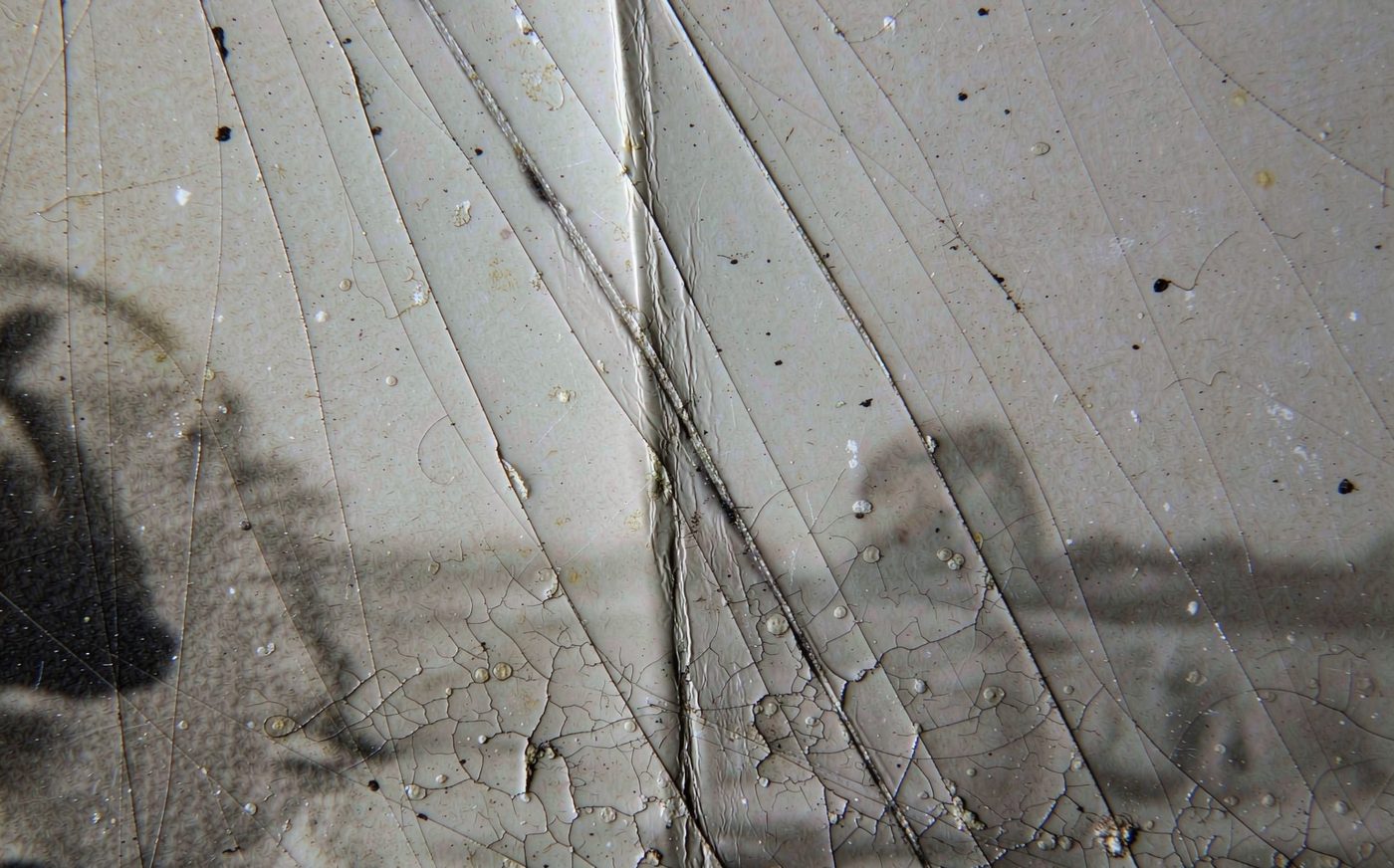
Repair scratches, tears and creases
Structural damage is filled from the texture around it, not smeared over. Fold lines get flattened without warping the face underneath.
- ✓Scratches, dust specks and mould spots removed
- ✓Missing corners and torn edges rebuilt
- ✓Creases flattened without distorting features
- ✓Works on scans as low as 300 DPI
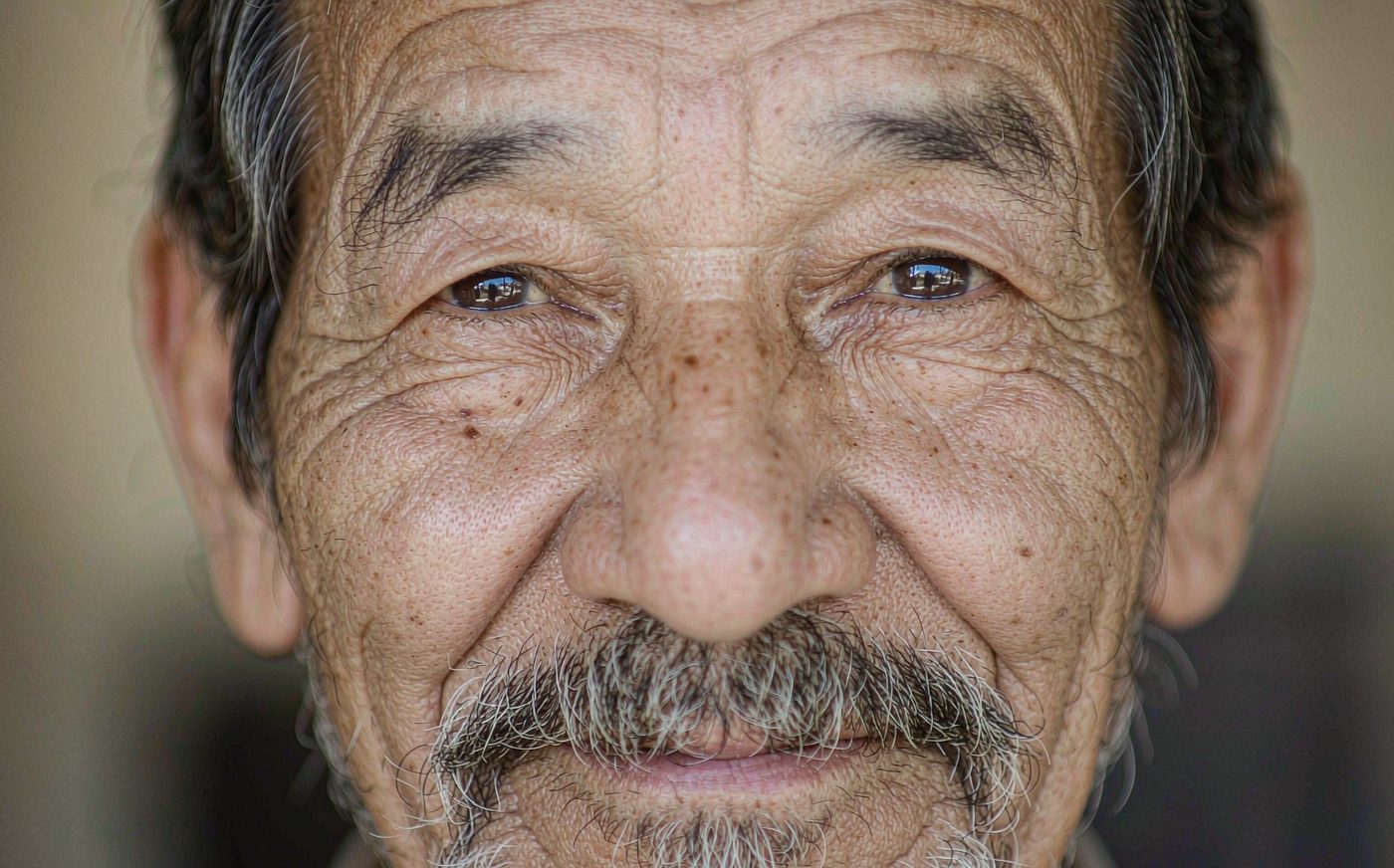
Recover faces that time erased
The hardest part of restoration is knowing when to stop. Faces are reconstructed conservatively, so the person is still recognisably themselves.
- ✓Rebuilds soft or missing facial detail
- ✓Keeps the original expression and likeness
- ✓No face reshaping or skin smoothing
- ✓Multiple people repaired in one pass
Bring back the colour that faded away
Colour is reconstructed from the tones actually present in the print, which is why results look like a photograph from that era rather than a filter.
- ✓Fixes yellowing, colour casts and uneven fading
- ✓Period-accurate colour, not oversaturated tint
- ✓Optional black-and-white result if you prefer it
- ✓Original scan is never overwritten
Enlarge for print without going soft
A restored photo is only useful if it can be printed. The upscale reconstructs detail rather than stretching pixels, so it holds up at frame size.
- ✓Up to 4x upscale that adds real detail
- ✓Ready for 8x10 prints and albums
- ✓Sharp edges, no pixel stretching
- ✓Suitable for canvases and framed gifts
Built for every reason you kept the photo
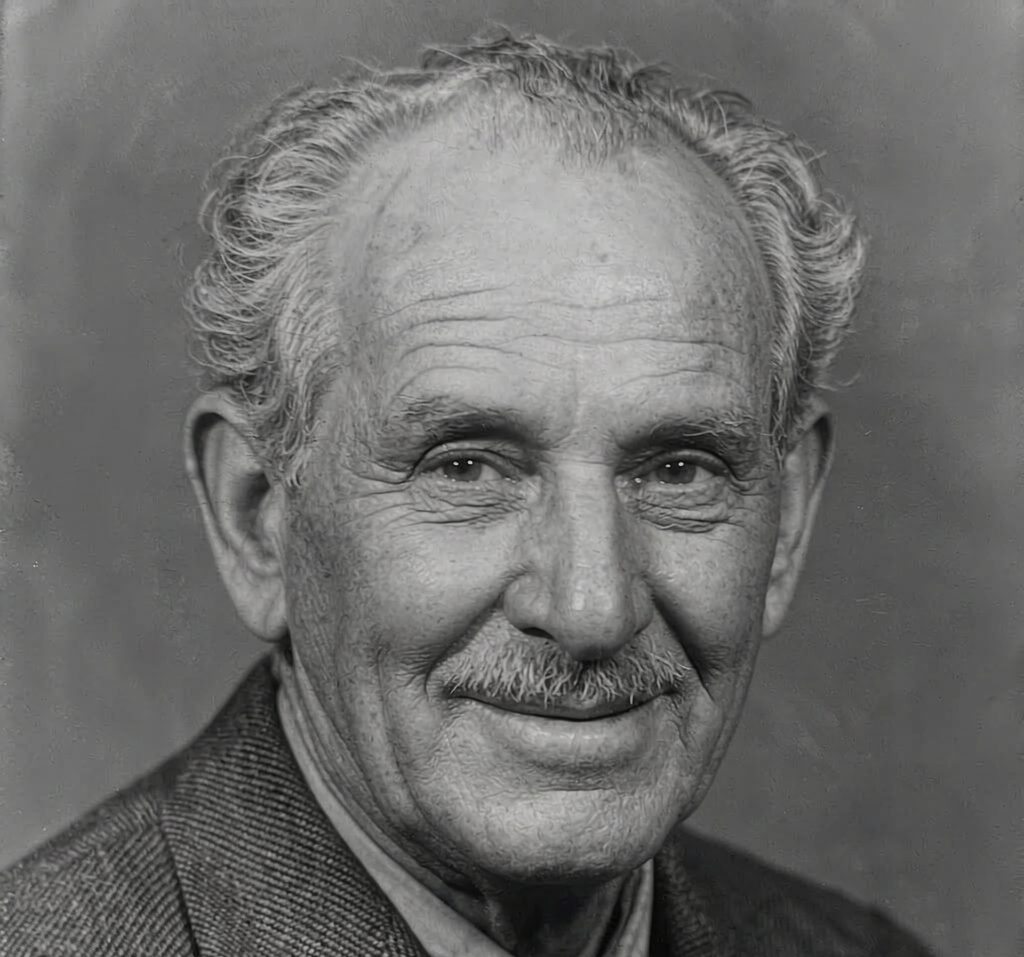
Before and after
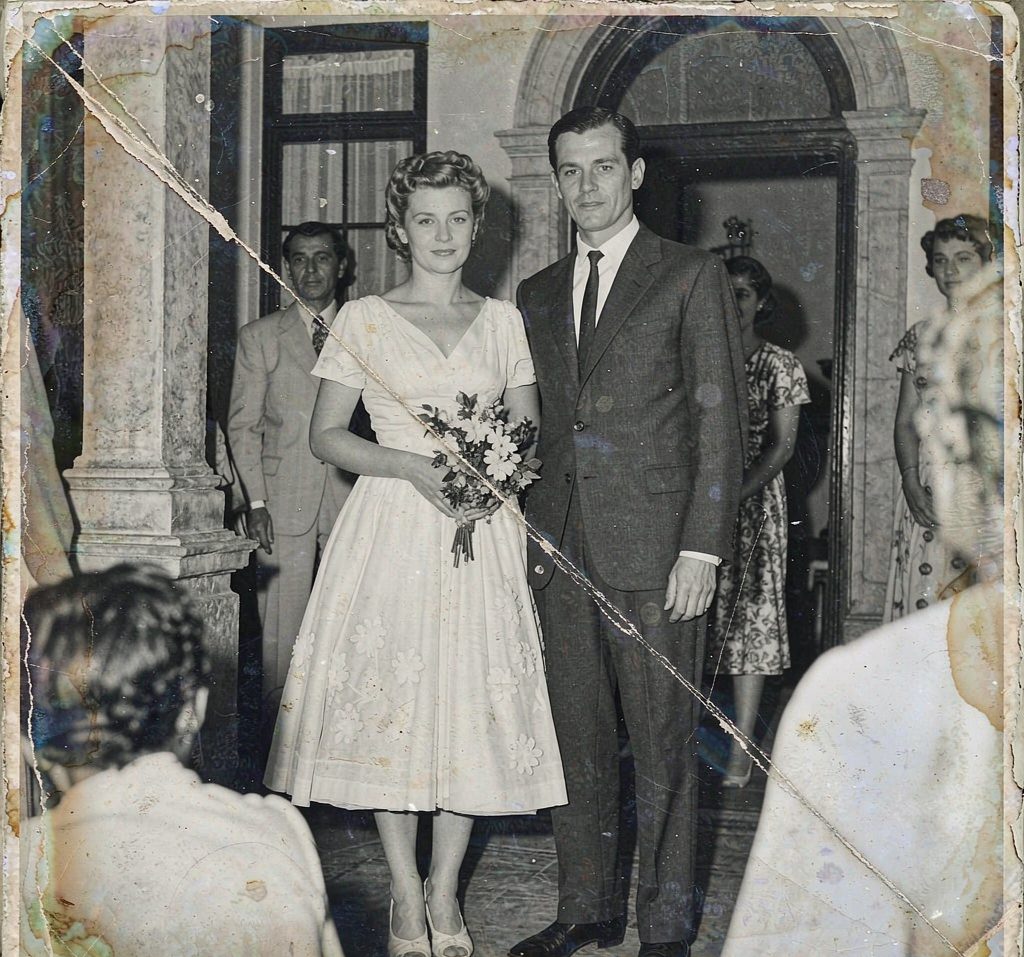
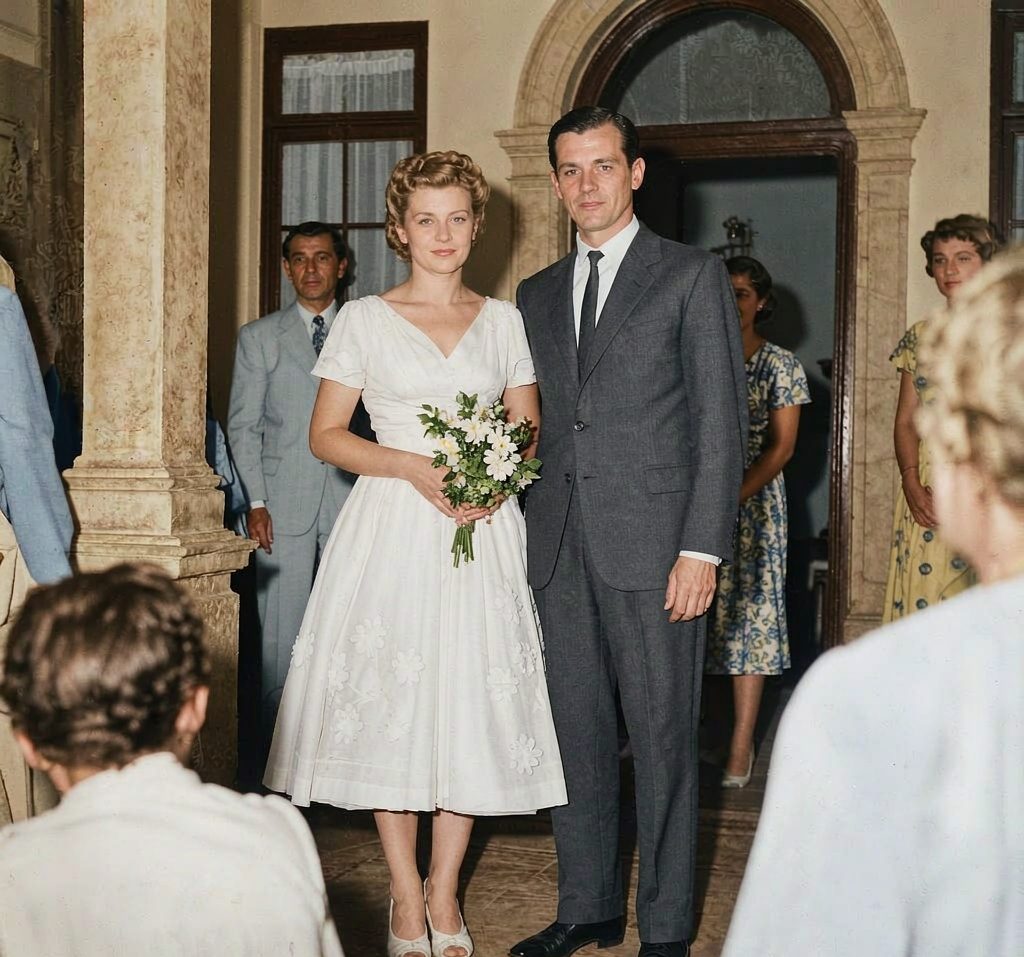
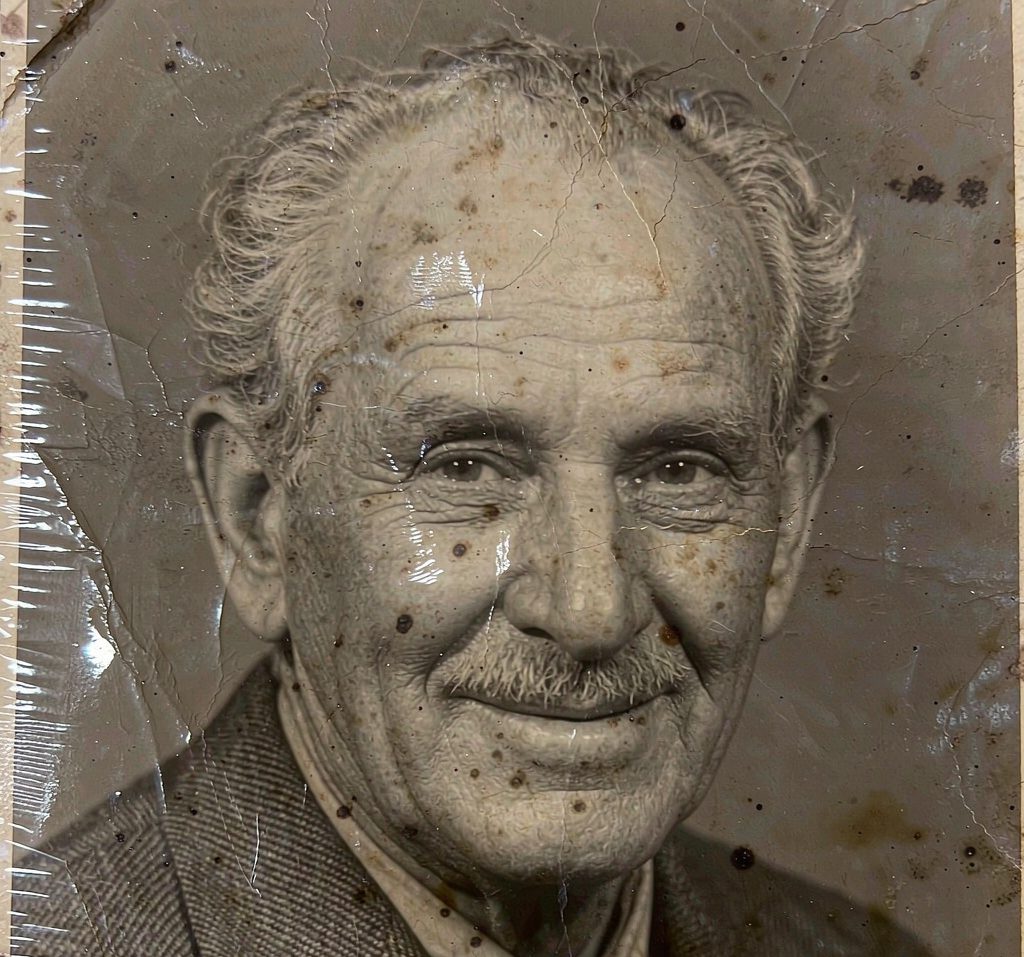
See it first. Pay later.
Low resolution with a watermark. Enough to see the faces come back.
Full resolution, no watermark. Scratches, tears and fading repaired, natural colour restored.
4x upscale of the restored file. Enough resolution for an 8x10 print.
Questions, answered
Is the preview really free?
Yes. The preview runs on a cheap face-restoration model and comes back low-resolution with a watermark. It exists so you can see whether it worked before you spend anything. No card required.
What does the full restoration fix?
Surface scratches, dust, folds, tears, fading, colour casts and soft focus. Very large missing areas are reconstructed plausibly — we never invent a face that wasn't in the original.
Will my grandmother still look like my grandmother?
That is the whole job. The restoration model is instructed to preserve likeness and expression above all else. We repair the photograph; we do not reimagine the person. If a result doesn't look like them, tell us and we'll refund the credits.
Should I scan the photo or photograph it?
A flatbed scan at 600 DPI is best. If you only have a phone, photograph it in daylight, straight on, with no flash and no shadow across the face. A slightly imperfect capture still restores well.
How long does it take?
The free preview takes a few seconds. Full restoration is usually under a minute; busy periods can stretch to two.
What happens to my photos after processing?
Uploads are used to produce your image and nothing else. We never train models on your photos, and you can delete any generation from your library at any time.
Can I print it?
Yes. The print-ready add-on upscales the restored file 4x, which is enough for an 8x10 print. The standard full restoration is ideal for sharing and for screens.
What if it doesn't work on my photo?
Send it to us. If we can't produce a result you're happy with, we refund the credits — you keep the preview either way.
Old photo restoration, repaired by a model built for it
Photo restoration used to mean handing a print to a technician who worked in Photoshop for an hour. Our restore old photos tool does the same job in about twenty seconds: a model trained specifically on damaged photographs repairs scratches, tears, creases, water damage and fading in one pass, then colourises black and white photos with period-accurate colour rather than the flat, over-saturated tint most filters produce.
The most common question is whether a damaged photo can still be saved. In most cases yes — even photos with mould spots, heavy yellowing or a corner torn away. What matters more is the scan you start from: photograph or scan the original at at least 1200 DPI, in even light, and the repair has far more detail to work with. Our free preview shows what the restoration can recover before you spend anything.
Restored photos work best as prints. Families use them for memorial services, anniversaries, genealogy books and framed gifts, which is why every restoration can be upscaled to a print-ready file for standard frame sizes. The original scan is never altered — you always keep both versions.
Give the family album a second life
Preview free, pay only when you want the full-resolution file. The original scan is never altered.
Restore your first photo — free